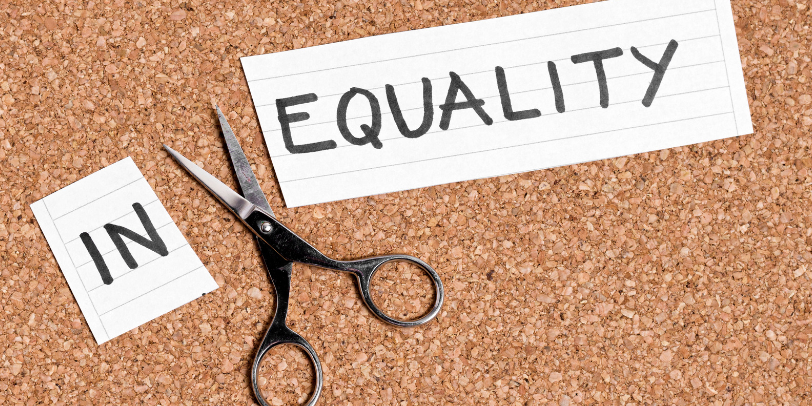
Recognizing Employee Discrimination
With the rise of the #metoo movement, sexual harassment and workplace discrimination are finally getting the attention they deserve. While nearly everyone agrees that discrimination at work involves the breaking of boundaries or unfair treatment, it can still be difficult to recognize employee discrimination when it occurs.
New Jersey Law
Under New Jersey law, employers both private and public are officially barred from discriminating based upon “race, creed, color, nationality, marital partnership, sex, pregnancy, gender identity, disability, liability for military service, sexual orientation, blood traits, or genetic information.”
This is a lengthy list and is not to be taken lightly. However, even if you aware of your own protected status, it can be difficult to determine when workplace behavior has truly broken “the rules.”
The big issue – what exactly is discrimination?
Discrimination in NJ
According to New Jersey state employment laws, discrimination in the workplace covers issues related to:
Hiring practices
Promotion schedules
Transfers
Terminations
Salary disputes
Harassment (i.e. sexual, verbal, physical etc.)
Layoffs
Access to training programs and apprenticeships
Union membership
If you’ve experienced unfair treatment in these areas as a direct result of the “protected” statuses, you may be a victim of workplace discrimination.
Tough To Detect
While headlines report instances of obviously discriminatory behavior – many average cases involve situations that are not quite as clear. In these instances, it is important to be aware of several behaviors that constitute discrimination.
Here’s a handy list of some less-obvious discrimination tactics sourced from career and workplace experts.
Employers suggesting qualities of “ideal” job candidates that are along the lines of racial, gender, of ethnic classifications.
Paying equally qualified employees in the same position divergent salaries
Excluding an employee or group of employees from meetings, company functions or other events.
The workplace should be a place for collaboration and, at more basic level, a place where employees feel safe. Often, employee discrimination occurs as a pattern of unwanted behaviors or even conversations about uncomfortable topics, particularly those related to the identity categories discussed earlier.
Consequences For Employers
If you suspect that your employer might be guilty of discrimination – New Jersey law provides for several pathways of punitive action and, potentially, compensation for the victimized employee. Some of these include:
Back pay
An order restraining unlawful discrimination
Coverage for attorney’s fees
Fines against the employer
Discrimination at work can have a severely negative impact on your ability to work and provide for your family. By pursuing a case against a discriminating or harassing employer, you can obtain justice and prevent further occurrences.
Defend Your Workplace Rights
If you’ve been subject to harassment, unfair treatment, or any other form of discrimination at work, you need legal guidance you can trust. With years of experience in fighting for workers’ rights, New Jersey employment attorney David H. Kaplan can help you reclaim your livelihood and receive the compensation you deserve. To schedule a consultation or to discuss your unique situation, contact the office today.